

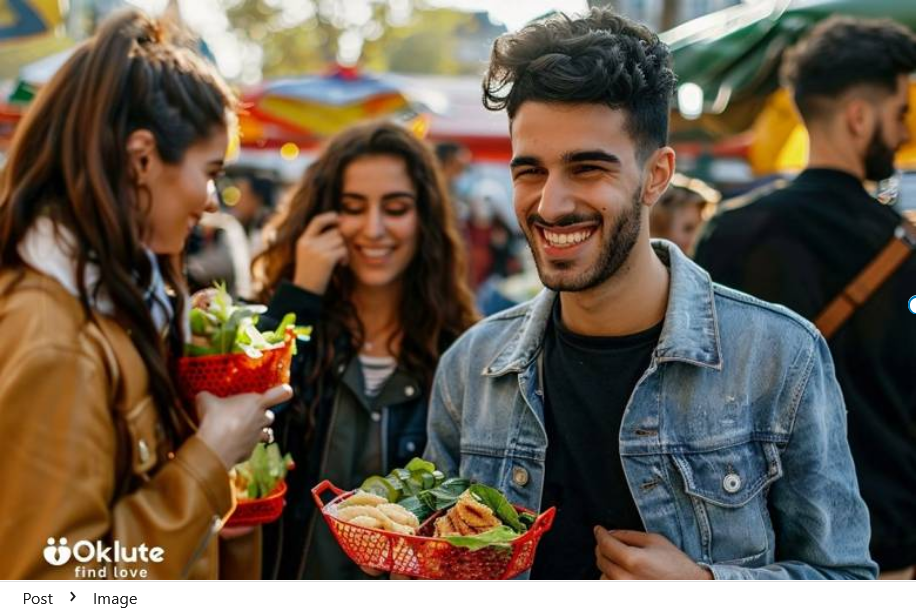
Most people travel for landmarks. Smart travelers travel for flavor.
You can photograph a monument in ten minutes. You can “see” a city in a day. But if you haven’t tasted what locals actually eat, not the tourist menu version, you haven’t understood the place.
Food isn’t a side activity while traveling. It’s one of the fastest, most honest ways to decode culture.
Food Is Cultural Truth, Not Just Cuisine
Every region’s food tells you something real about its history, geography, economy, and values.
Spices reveal trade routes. Cooking methods reveal climate. Ingredients reveal what the land can sustain.
Take Naples. You don’t understand it by visiting churches alone. You understand it by eating pizza where it was born, simple dough, San Marzano tomatoes, and fresh mozzarella. That simplicity reflects a working-class city that perfected minimalism out of necessity.
Visit Bangkok, and street food isn’t a novelty; it’s daily life. The speed, intensity, and layering of flavors mirror the city’s rhythm: fast, bold, unapologetic.
Food is compressed anthropology.
Tourist Menus vs. Local Tables
Here’s the uncomfortable truth: if the menu has five languages and laminated photos, you’re not eating local.
Travel changes when you stop asking, “What’s famous here?” and start asking, “What do you eat on a normal Tuesday?”
In Tokyo, that might mean standing at a tiny ramen counter with office workers instead of booking a flashy restaurant weeks in advance. Even London escorts know that intimacy and authenticity outweigh grand gestures, showing that subtle choices make experiences richer. In Istanbul, it means walking into a neighborhood lokanta serving slow-cooked stews instead of hovering around tourist-heavy kebab spots.
The difference? One feeds you. The other teaches you.
Flavor Builds Connection Faster Than Sightseeing
You can sit silently next to someone at a landmark. You can’t share a meal without interacting.
Markets, food stalls, and small family restaurants force conversation, even if it’s through gestures and broken language. Ordering, tasting, reacting, it creates an exchange.
Go to a local market in Marrakech and watch how vendors talk about spices. Walk through a seafood market in Lisbon and you’ll see how the ocean shapes daily life.
Those interactions create memory. Not the “top 10 attractions” checklist.
You Travel Differently When You Eat Differently
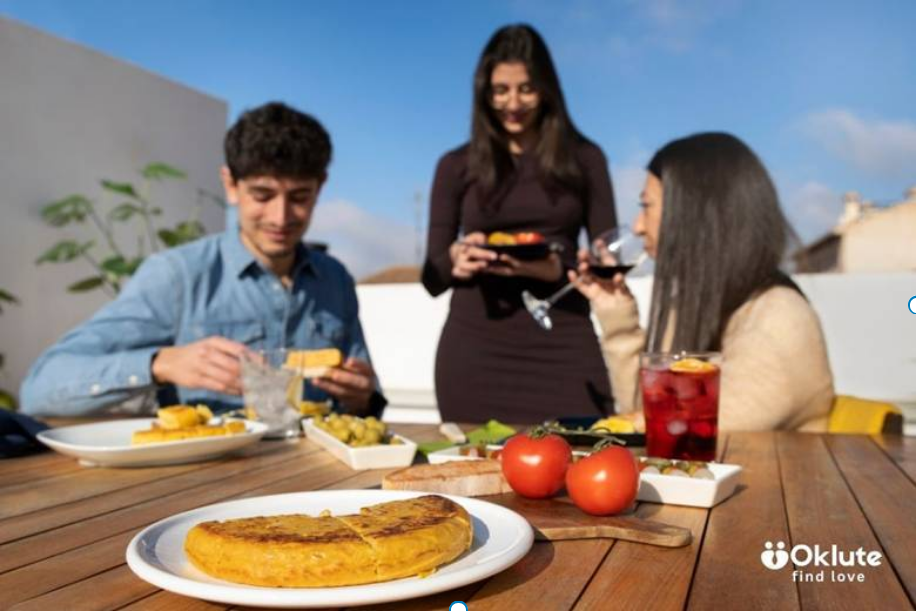
When you prioritize food, your itinerary changes.
You wake up earlier for bakeries. You walk into neighborhoods you wouldn’t otherwise visit. Even Sydney escorts know the value of savoring the moment and paying attention to detail, which mirrors the care needed to experience Oaxaca’s cuisine. You slow down. In Oaxaca, food isn’t just tacos. It’s a mole with layers of history — Indigenous, Spanish, and regional. To taste it properly, you sit, you ask, you learn.
In Athens, you understand social culture by how long people linger over simple meals: bread, olive oil, grilled fish, and wine. Meals aren’t rushed. Conversations stretch.
That rhythm changes how you travel. You stop racing. You start observing.
Local Flavors Reveal Economic Reality
Food also shows you the economic structure of a place.
Expensive tasting menus represent one slice of a city. Street food represents another.
In Ho Chi Minh City, a bowl of pho on a plastic stool teaches you more about daily life than a luxury rooftop bar ever will. In Barcelona, understanding tapas culture means understanding sharing small plates, social dining, and movement between spaces.
When you eat locally, you see how people actually live not how tourism markets them.
Stop Chasing Comfort
The biggest mistake travelers make? Searching for food that tastes like home.
If you’re ordering burgers in Italy or butter chicken in France, you’re not traveling. You’re relocating your comfort zone.
Travel growth happens when you try what looks unfamiliar. Fermented flavors in Seoul. Strong cheeses in Paris. Street-side arepas in Bogotá.
Discomfort sharpens experience. Flavor expands perspective.
Practical Strategy: How to Find Real Local Flavor
Here’s what actually works:
- Walk at least 10 minutes away from major attractions before choosing a restaurant.
- Observe where locals queue, especially at lunch hours.
- Visit markets early in the morning.
- Ask taxi drivers or hotel staff where they personally eat.
- Avoid restaurants with aggressive street promoters.
Food-led travel requires curiosity and a bit of courage. But the reward is authenticity.
Flavor Changes Memory
Years later, you won’t remember the exact square footage of a cathedral. You’ll remember the taste of fresh seafood by the coast. The aroma of grilled meat drifting through a narrow alley. The unexpected sweetness of a pastry you can’t pronounce.
Food anchors travel in the senses taste, smell, texture and sensory memory lasts longer than visual memory. That’s why local flavors change how you travel. They turn destinations into experiences.
Travel Deeper, Not Louder
You don’t need more destinations. You need deeper ones. Next time you land somewhere new, don’t start with a monument. Start with breakfast. Go where locals go. Eat what they eat. Ask questions.
When you taste a place properly, you don’t just visit it. You understand it.
