

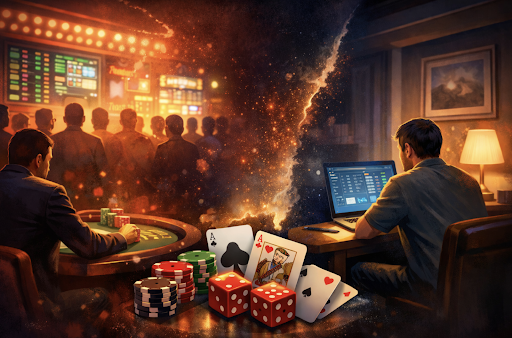
A bet stays the same. The odds stay the same. Nothing changes, but it feels riskier when others are watching. This reaction is not about logic. It is about psychology. Public betting adds an audience. That audience changes behavior in subtle ways at solbet live casino.
The Presence of Others Changes Everything
When people watch, actions feel louder. Choices feel heavier. Even silent observers affect decision-making. In public betting spaces, players become aware of judgment. They imagine reactions before outcomes even arrive. This imagined feedback adds pressure. Private betting removes this layer. Decisions stay personal. Emotions stay contained.
Social Exposure Increases Emotional Weight
Public bets carry social meaning. A win feels visible. A loss feels exposed. This exposure turns a simple bet into a statement. The player is no longer just betting money. They are risking reputation, confidence, and image. Emotional weight grows when identity feels involved.
Fear of Judgment Shapes Decisions
Losing in public feels worse. Even neutral reactions feel critical. Players may replay moments, imagining what others think. This amplifies regret.
Winning Under Observation
Wins feel good, but also tense. The player may feel pressure to repeat success. This creates expectations that did not exist before.
The Pressure to Look Confident
Public settings reward confidence. Hesitation feels visible. This pushes players toward faster, riskier decisions.
Public Betting Encourages Performance
In public, betting becomes a performance. Choices feel like signals. Players may choose flashier bets. Bigger stakes. Riskier odds. These choices look bold. Private betting does not reward spectacle. It rewards comfort.
The Illusion of Being Watched Closely
Even when no one cares, the mind assumes attention. This is called imagined observation. The brain treats potential judgment as real. Stress follows. This explains why public betting feels intense, even in quiet rooms.
Risk Feels Higher When Shame Is Possible
Money losses hurt. Social discomfort hurts more. Public betting adds the risk of embarrassment. A bad call feels like a public mistake. This makes every decision feel heavier.
Time Pressure in Public Spaces
Public betting often feels rushed. Lines form. Conversations continue. Moments pass. This pressure reduces reflection. Decisions happen faster. Private betting allows pauses. Time feels flexible.
Highlights of Key Differences
Public betting often leads to:
- Faster decisions
- Higher emotional pressure
- Larger or flashier bets
- Stronger reactions to losses
Private betting often leads to:
- Slower choices
- More consistent stake sizes
- Less emotional swing
- Better self-control
The environment shapes behavior more than intent.
Group Dynamics Increase Risk
Being around other bettors creates comparison. Wins and losses become shared stories. Hearing others talk about success raises expectations. Losses feel isolating. This social contrast increases risk-taking.
The Role of Competition
Public betting can feel competitive. Players compare choices. Ego enters the picture. Risk becomes a way to stand out. Private betting removes this contest. There is nothing to prove.
How Platforms and Venues Amplify the Effect
Screens, lights, and displays attract attention. Bets feel public even when anonymous. Visibility increases pressure.
Social Features and Chat
Online public betting spaces include chats and leaderboards. These features turn betting into a shared experience. Risk grows with visibility.
Real-Time Reactions
Immediate reactions from others reinforce emotion. Feedback loops form quickly.
Why Experienced Players Still Feel It
Experience does not erase social response. The brain reacts to observation automatically. Even skilled players feel tension when watched. Awareness does not cancel instinct. This is why private routines matter.
Public Wins and Public Losses Feel Different
Public wins feel validating. Public losses feel personal. This imbalance skews memory. Losses linger longer. Private sessions feel more neutral.
The Impact on Betting Discipline
Public settings weaken discipline. Limits bend. Plans fade. Players adapt to the room instead of the strategy. Private betting supports consistency.
Why Silence Feels Powerful in Private Betting
Silence removes judgment. It creates space. Without reactions, players hear their own reasoning. This clarity reduces risk.
Public Betting and Emotional Contagion
Emotions spread in groups. Excitement rises. Tension builds. Public betting amplifies mood swings. Private betting isolates emotion.
When Public Betting Can Be Useful
Public spaces offer learning. Watching others can help. Talking can show new ideas. The risk appears when observation turns into performance.
Choosing the Right Environment
Some players thrive in quiet. Others enjoy energy. Knowing which environment supports discipline matters. The environment is part of the strategy.
The Effect of Being Remembered
Public betting carries memory. Wins and losses may be recalled by others later. Even the idea of being remembered adds pressure. Players feel that one bad call could define them in that space. This imagined permanence raises the emotional cost of each bet.
Why Private Betting Encourages Honesty
When betting alone, there is no need to perform. Players admit doubt. They pause. They change their mind. Being honest helps people make better choices. Public settings often reward confidence, even when it’s wrong.
How Public Betting Changes Exit Decisions
Leaving in public feels awkward. Players stay longer to avoid looking defeated. They wait for a better moment to stop. In private, exits feel clean and deliberate. This difference affects both session length and risk exposure.
